
 Impact Windows
 Impact Doors
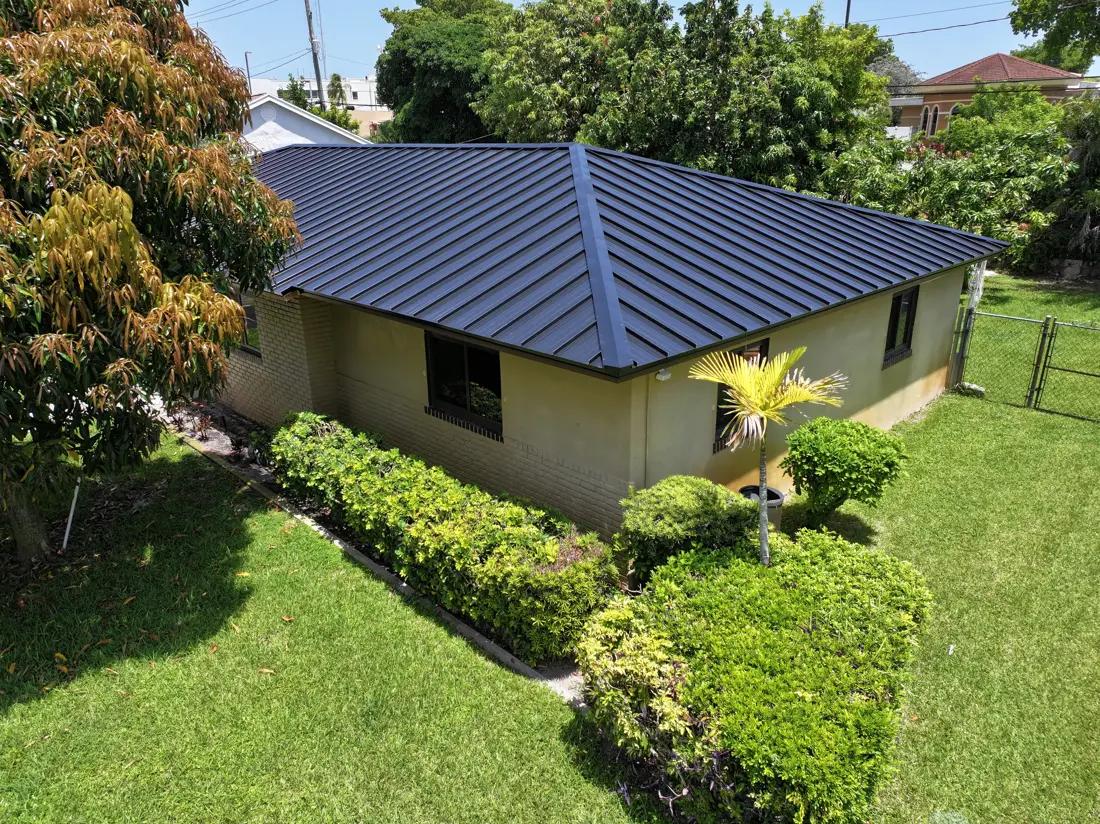 Roofing

Impact windows and doors need very little upkeep, and the little they need is easy. Keep the drain holes at the bottom of each frame open, keep tracks and sills clean, look over the caulk and weatherstripping once a year before hurricane season, and wash the glass with water and a mild cleaner instead of harsh chemicals. These units are built to stay shut in a storm. A few habits help them keep water out the rest of the year too.
Weep holes come first
Most windows have weep holes, small openings that let water drain out of the frame. The Department of Energy’s Building America guide to cleaning window weep holes explains that they give water in the frame or the tracks a path back outside, so keep them open and never caulk over them.
Here’s how the guide suggests checking them:
- Find the small holes or slots on the outside, at the bottom of the frame. Some windows also have an inside weep hole in the frame or under the track.
- Pour a glass of water into the track, or mist the outside of the glass, and watch for water to come out of the weep holes.
- If it doesn’t drain, work the debris loose with a pipe cleaner, a small brush or a wire hook, gently, so you don’t push it deeper.
- Test again.
Never caulk or paint over weep holes, even if they look like gaps somebody forgot to seal. If a painter is coming, ask them to keep paint and sealant off the bottom of the frames.
Tracks and sills
Sliding glass doors and horizontal sliders roll on tracks, and here those tracks collect sand, leaves, grass clippings and whatever the wind brings onto the patio. Vacuum them out, wipe them down, then run the water test above, since a slider’s weep holes are often in or under the track. A blocked drain means rain sits in the sill instead of leaving it.
Caulk, weatherstripping and door sweeps
The caulk joint between the frame and the wall keeps rain from running behind the window. A Building America guide on exterior caulking notes that the bond between caulk and the wall weakens over time until the caulk cracks or peels away, and that cracked caulk around windows and doors should be replaced. Walk the outside of the house once a year and look at every joint. If you spot cracking, call us before you reach for a caulk gun.
Doors deserve a closer look than windows. FEMA’s recovery advisory on doors, windows and shutters notes that fixed glass generally resists wind-driven rain better than units that open, “particularly as gaskets and seals at the operable interfaces age.” The moving parts are the ones to watch. The same advisory tells owners to adjust door weatherstripping for a tight fit before a hurricane arrives.
Two simple checks come from the Building America weatherstripping guide:
- At night, turn on the outside light, turn off the lights in the room and look for light around the door. Light means a gap.
- Close the door on a dollar bill. If it slides out easily, air is getting past the seal.
The Florida Division of Emergency Management’s Hurricane Retrofit Guide adds that doors can change shape with the seasons, and a door in direct sun can even change between morning and night, which it calls a reason to check weatherstripping “right before the hurricane season.” It also notes that sweeps tear easily when the gap between the door and the threshold is too small. A sweep should press firmly against the threshold and still let the door open and close without a fight.
Hinges and hardware
Cleaning laminated glass
Impact glass is laminated, and the plastic interlayer is “generally exposed around the periphery” of the glass, according to the National Glass Association’s technical paper on cleaning architectural glass (FB01-00). For laminated glass, it says to keep cleaning fluids and their vapors away from those edges and to skip anything corrosive. Its list of products that can do harm includes bleach, ammonia, acetone, mineral spirits and anything labeled flammable or corrosive, so read the label on your glass cleaner.
What it recommends instead:
- Clean water and a mild, non-abrasive glass cleaner, put on with a soft applicator and taken off with a squeegee.
- No razor blades or metal scrapers for routine cleaning.
- Skip cleaning tinted or coated glass in direct sun, when the surface runs too hot.
- Twice a year is generally enough.
The labels on new glass stay on until the city’s final inspection. After that, peel them off by hand instead of scraping.
Before a storm, and after
- Close and lock every window and door.
- Check the door weatherstripping and sweeps.
- Clear weep holes and tracks so any water that gets in can drain back out.
- Don’t tape the glass. FEMA says tape “is ineffective in increasing wind or wind-borne debris resistance.”
- Pull rugs and anything that can’t get wet away from sliders. The state guide notes that hurricane rain travels nearly sideways and builds up on sliding glass doors.
Once the storm passes, walk the house and look over every frame, sill and pane. If anything looks off, call us at 786-654-8273. The impact windows and patio doors pages cover the products themselves.


