
 Impact Windows
 Impact Doors
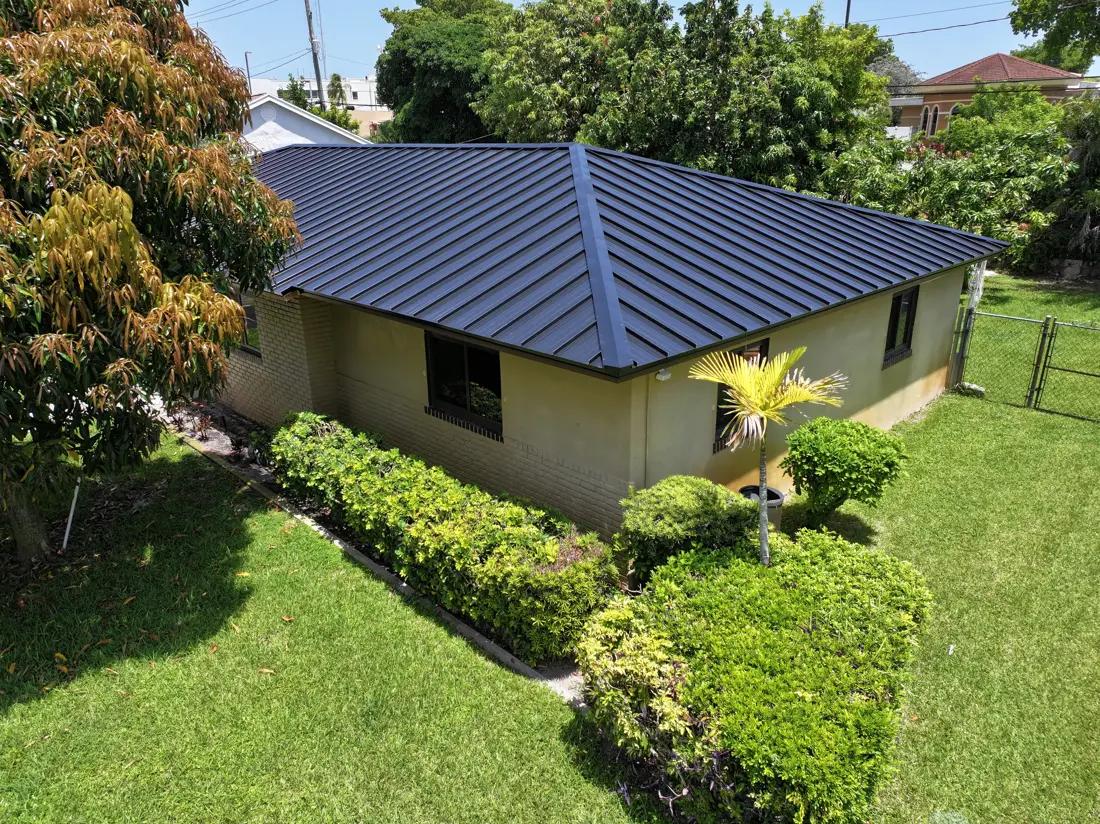 Roofing
Neither one up front. My Safe Florida Home pays the homeowner, by check, after the work is finished, the program’s inspector has done the final inspection and the homeowner’s draw request is approved. The program doesn’t pay contractors. Paying the contractor is between you and the contractor.
That surprises a lot of people. Here is how the money moves, per the guide the program publishes for homeowners and its support center.
Two kinds of grants
The program has two grant types, and they handle money differently.
Matching grants work on a reimbursement basis. You pay for the work, and after it’s done the program reimburses you two dollars for every dollar you put in, up to the state maximum. In other words, the grant covers up to two-thirds of the eligible project cost until it hits the cap. To get it, you have to submit a paid-in-full invoice or other proof of full payment.
Low-income grants pay for the actual cost of the recommended work, up to the same maximum, with no match from the homeowner. Low-income applicants don’t have to submit a paid-in-full invoice. The check still goes to the homeowner, though, and the guide is clear that paying the contractor is the applicant’s responsibility.
What the draw request needs
The draw request is how you ask for the money. It comes after the final inspection, and per the guide it includes:
- The contractor who did the work, the start date, and the total eligible invoice amount.
- An itemized document describing the work and dates: the contractor’s original quote, invoice or contract.
- Proof of payment in full, for matching grants. The guide accepts a final invoice marked paid, canceled checks, receipts, bank statements or a financing statement.
- Proof you sent the final inspection report to your insurance company and asked for discounts: a new declarations page, or a letter or email from the insurer showing the change, or saying no discount applies.
- Your mailing address for the check and your Social Security number, which the statute requires.
The guide notes that checks can’t be delivered to an active USPS forwarding address.
What this means for paying the contractor
Since the grant comes at the end, homeowners usually cover the work some other way first: savings, a loan, or financing through the contractor. The guide lists a financing statement as acceptable proof of payment for a matching grant. If you finance, ask whether the loan can be paid down early without a penalty, so the grant check can go straight toward the balance.
Rules that can cost you the grant
- Starting work, or having the permit issued, before your grant application is approved.
- Doing work that wasn’t recommended in your initial inspection report. Only recommended improvements that the final inspector actually sees are paid.
- Missing a request for information. The program gives you 60 days to respond, and closed cases can’t be reopened.
- Using a contractor who isn’t properly licensed for the work.
The program also allows only one final inspection and one disbursement per applicant, so finish everything you plan to do before you request it.
Where we fit
If you’re approved and the recommendations include roof upgrades or impact windows, bring your initial inspection report to the estimate and we’ll build the quote around it. Ask about our financing options, see our roof replacement page, or call (786) 654-8273. For the program’s current status and your own case, go to mysafeflhome.com.


